
5 Resume Writing Tips to Enhance Your Appeal to Hiring Managers
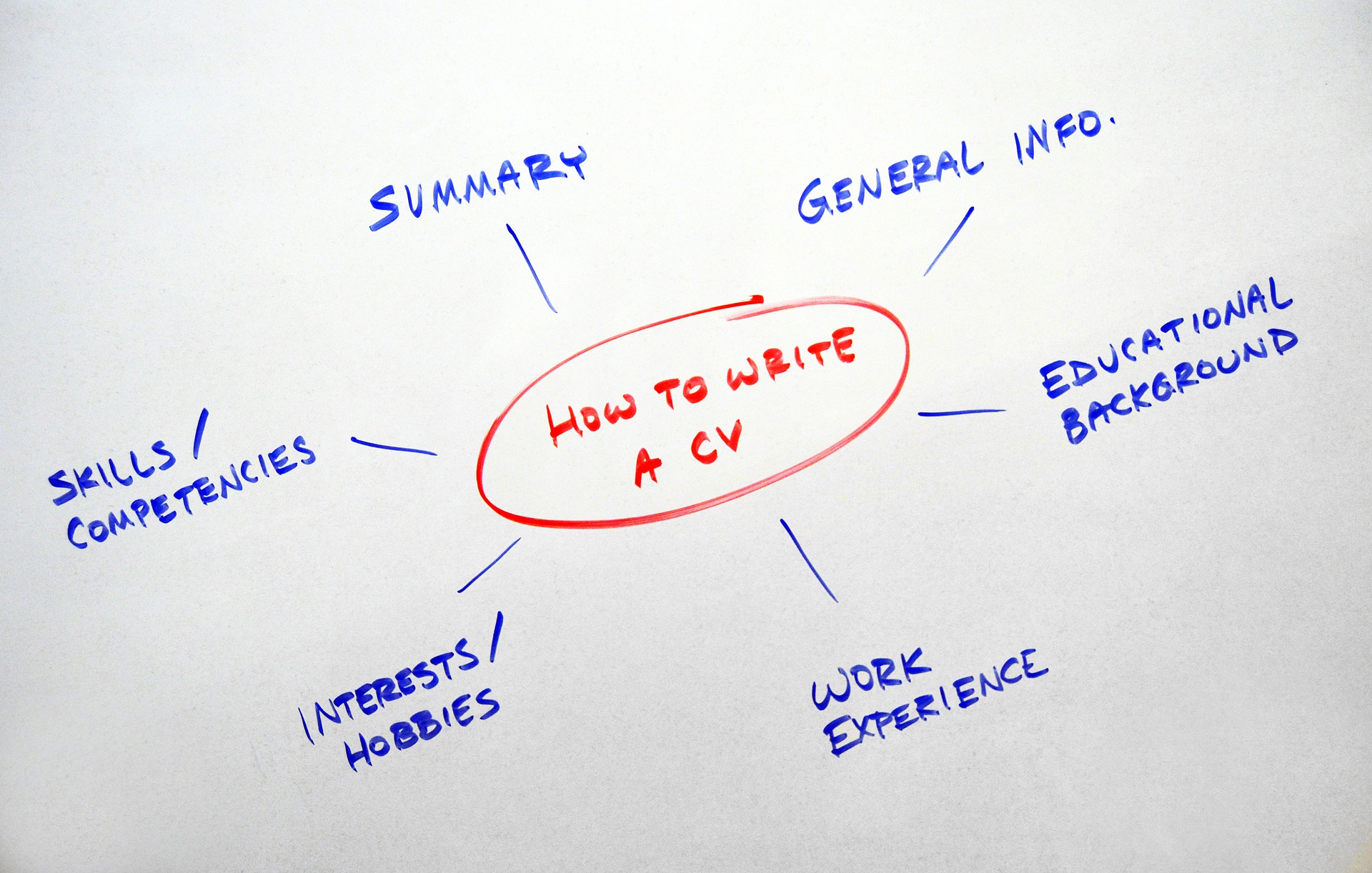
When you are looking for a job, many times you only have one chance and you have to make it count. Think about the interviewers for a minute. They have to go through thousands of applications before they identify the best candidate. How do you make sure you won’t get lost in the crowd, but make it to the final round? The secret is in your resume.
Your resume can only ever be as good as the information it contains. Therefore, your emphasis should be on writing the best resume alongside other essential steps to help you land that better job you are after. From our experience overseeing applications over the years, many applicants struggle to deliver confident, assuring resumes, and it’s all because of simple mistakes and oversight.
Writing the perfect resume is crucial because it helps employers understand more about your skills, abilities, and more importantly, to determine whether you are the ideal fit for their operation. Below are some valuable tips that will help you improve your resume and increase your chances of getting hired.
1. Avoid Giving Too Much Information
One of the common mistakes we find in resumes is that applicants provide too much information, most of which is not necessary. The challenge with writing a lot is that you can easily get carried away. The wordiness also dilutes the value you are trying to present to the hiring manager. Most of the additional content you include in your resume should be reserved for the interview, because it is here that you can elaborate on different points. Go through your resume and weed out the unnecessary details.
At the same time, you should prioritize the crucial information in your resume. It should be brief enough for someone to scan through it in less than 30 seconds and find what they need. Let’s say you are applying for an opportunity in a tech firm, and they need someone with relevant tech skills in demand over the past five years. In this case, the restaurant job you had at 17 doesn’t bring added value, other than acting as an unwelcome distraction.
2. Formatting Issues
Many people miss opportunities because they don’t take the time to format their resumes well. Simple things like proofreading your resume can make a big difference in the long run. Basic grammar or spelling mistakes in your resume inform the hiring panel that you are careless. They might believe you don’t take time to cross-check your work, which makes you a liability to the organization.
Analyze your resume like you were the one receiving it (and not only it but other dozens a day). Of course, Georgia, Verdana, and different flowery fonts look beautiful when writing notes on your personal computer, but they are not suited for your resume. Unless otherwise specified, stick to the official fonts like Times New Roman, Arial and font size 12. The font should be neat and easy to read.
3. Understand the Job Opening
Many times we come across beautifully crafted resumes, but the authors don’t seem to understand the requirements of the job they are after. It happens with many applicants who send the same resume for different positions. Among other things, this also informs the hiring managers that you are too lazy to understand what you are applying for and write a resume specific to it.
Always be keen and understand what the employer is looking for. You can note the keywords the employer uses in their job advert and use those keywords to guide you as you write your resume. It should be relevant to the opening, or you will miss out on that opportunity. Study the job advertisement to understand what they require and what skills you possess that make you a suitable candidate.
4. Highlight Relevant Achievements
When writing a resume, you should emphasize the relevant achievements you have earned over the years. Don’t just list your duties and positions held in each company, show the employer what you achieved in that capacity. If you can, use measurable details to highlight your achievements.
Instead of writing that you were the sales manager for three years, indicate that under your tenure as a sales manager, the company enjoyed a 32% revenue growth, coming from a difficult period of sales stagnation. Someone who goes through your resume will see this, cross-check your facts, and call you to find out how you did it, and how you can replicate similar results in their business.
5. Review Industry Demands
Like any other instance in life, there is no one-size-fits-all in resume writing. Some of the core information might be similar, but each industry has a different standard that applicants should use in their resumes. Research and find out more about the recommended format and content in your industry.
As you go through the samples, you will notice two common traits in all good resumes. You need to make sure it is brief and straightforward. Avoid unnecessary complications and designs.
If you happen to borrow from a resume sample as many applicants do today, remember not to use the example as it is. Hiring managers come across such all the time and immediately flag them. Borrow ideas, but make your resume unique.
The first step to any interview is the resume. What prospective employers read about you in the resume gives them an impression of the kind of person you are. We cannot stress this point enough, make sure you proofread your resume before you send it. If possible, have someone else go through it to spot anything you might have missed.
If you made any of these mistakes in the past, make sure you do not repeat them in the future. Get in touch with our experts, and we will help you improve your resume. We also have courses and coaching sessions to help you improve on other areas that will enhance your appeal to recruitment managers.

You may also like


Top 5 freelance platforms

Beginners’ guide to remote jobs
